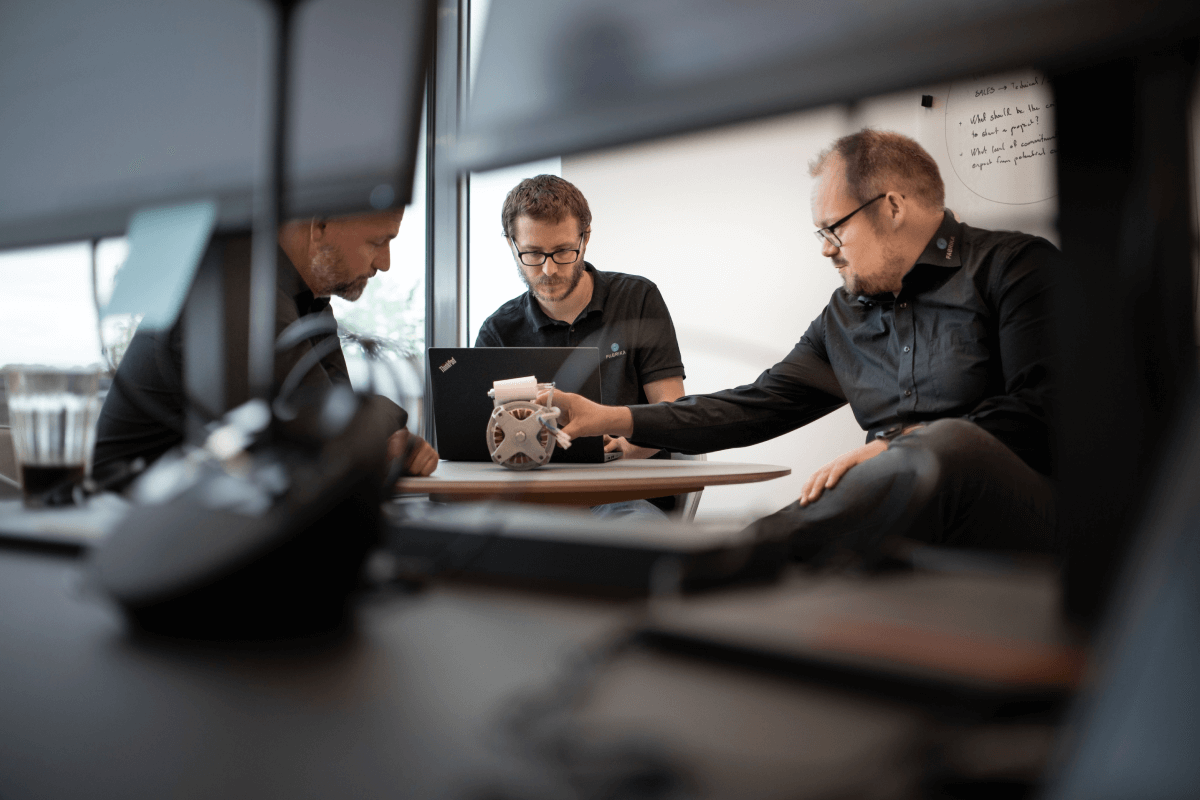
Zero emissions from the washing process: Krylbo Elektra closes the drain for the environment
2026-04-21
Within Nordic Drives Group, continuous improvement is part of daily life, and the team at Krylbo Elektra recently implemented a significant change in the heart of the workshop: the washing facility. Previously, wash water was purified through a filter system before being discharged into the drain – a solution that required both regular service and sampling for reporting to the municipality.
– Emission requirements are becoming increasingly strict. Since our customers work with steel products, we naturally end up with residues that land in our wash water. We therefore decided to close the flow entirely and switch to a closed system, says Niklas Englund from Krylbo Elektra.
An efficient process with full control
The new process is as simple as it is effective. When objects are washed, the water first flows to an oil separator and then to a filter pit, just like before. But where the old path led to the drain, it now stops.
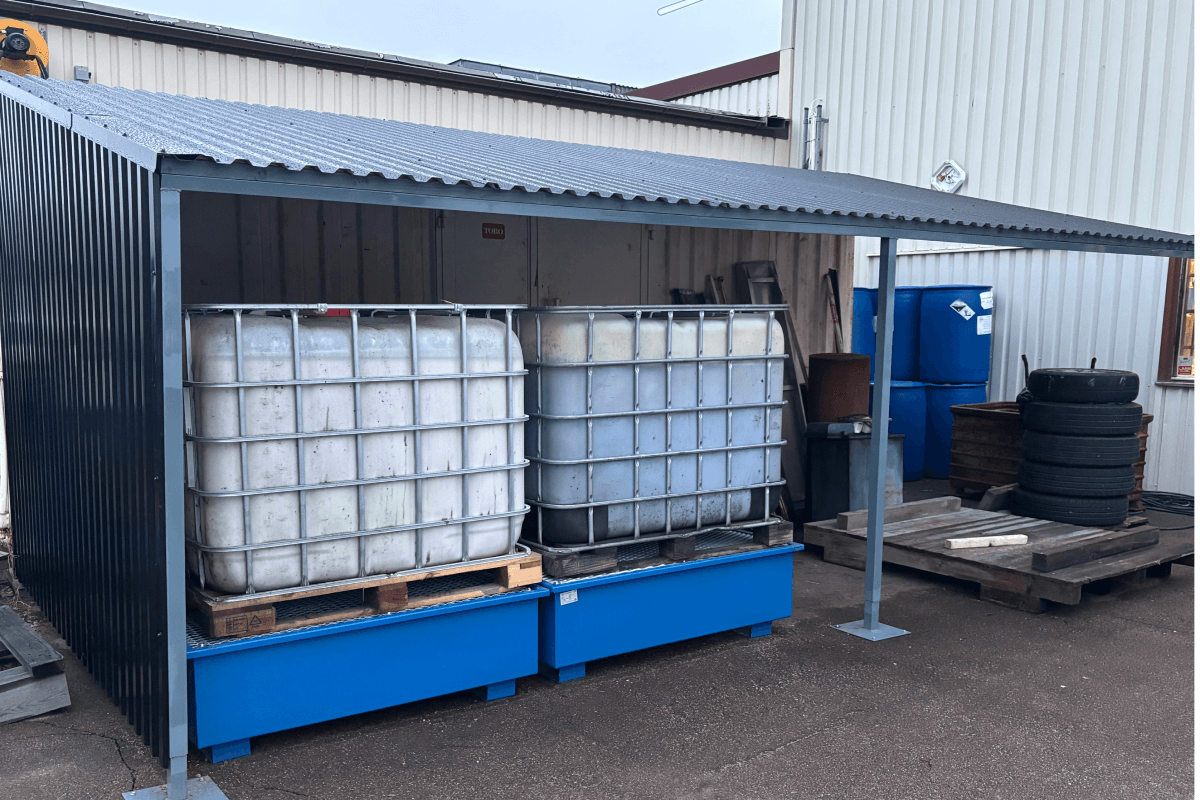
Instead, the used water is pumped into large IBC containers. When a container is full, it is collected by a certified waste management provider who handles the water in a safe and controlled manner. This means they now "save" between 20 and 30 cubic meters of water per year from burdening the regular sewage system.
– We have gained a completely different level of control over how much water we actually use in our business, says Niklas.
Environmental benefit without extra cost
Switching to a more sustainable way of working is often seen as a cost issue, but for Krylbo Elektra, the calculation has been surprisingly positive. The cost of transporting the water away in containers is roughly the same as the previous maintenance and service of the filter system.
In addition to the environmental benefit, the new washing system has also provided administrative advantages:
-
Better control: Through the waste provider, the workshop receives exact reports on water consumption.
-
Simplified administration: No more manual sampling for municipal reporting.
-
Security: The guarantee that no unwanted particles or substances leave the workshop.
A competitive advantage in the industry
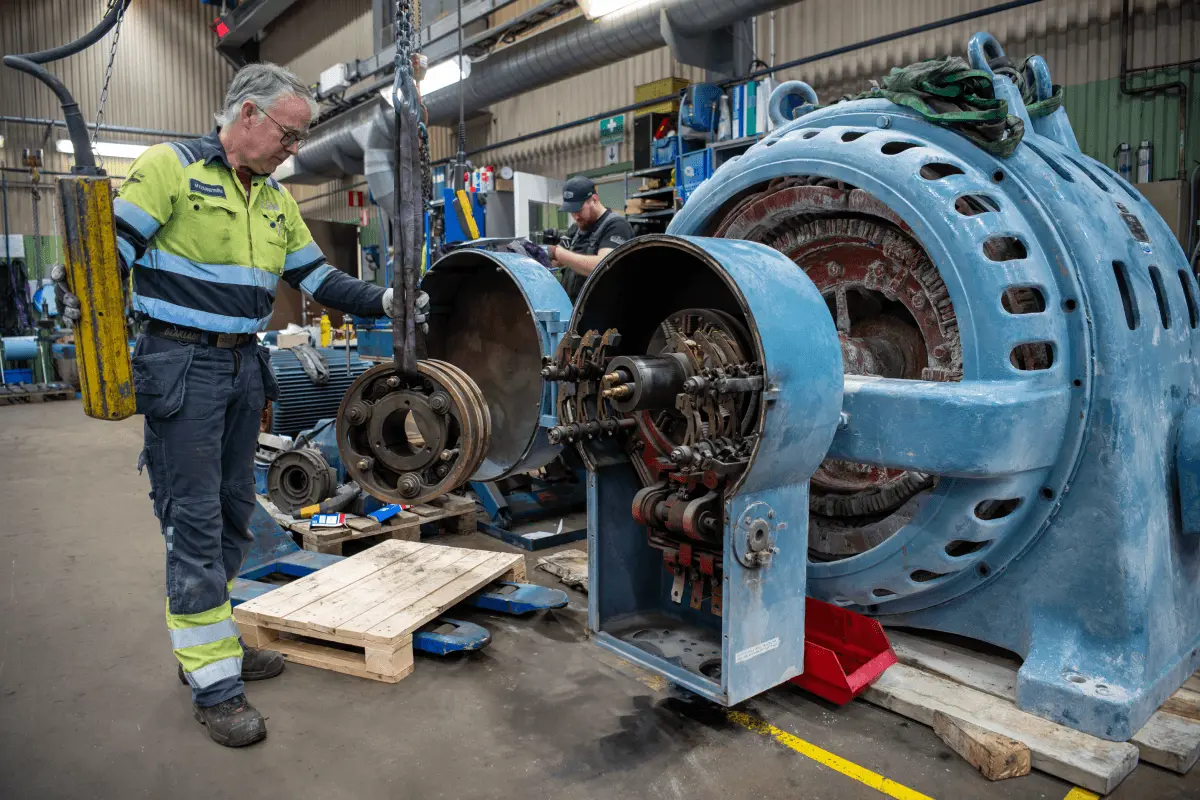
Internally in the workshop, the transition has been well received. Although it involves some extra work to handle and change the IBC containers, there is a great understanding among the staff regarding the environmental gains. Being able to offer a service where the entire chain occurs with the minimum possible environmental impact is seen as a strong competitive advantage.
– We clearly see this as an advantage. We are constantly working on both small and large improvements in all areas to stay at the forefront. For us, it’s about taking responsibility for the entire process, Niklas concludes.
By combining technical expertise with a modern environmental mindset, Krylbo Elektra shows that the road to sustainability does not have to be complicated. Sometimes, it is enough to dare to plug an old path to find another, much better one.
More news
Certified ATEX Service: Safety and performance in explosive environments
Energy efficiency: The hidden profit driver in your production